

6 changes you can make now to support your conception journey
We put ourselves under so much pressure once we decide it’s time to try for a baby or try to conceive.
If you are like many of us, you will have spent most of your adult life up until now trying to avoid getting pregnant through use of hormonal birth control. Yet as soon as we stop birth control we expect our bodies to know exactly what to do and for that positive pregnancy test to come around pretty quickly thereafter. For some of us, this might not be the case.
You can change that right now
The good news is there is a lot that is within your control to help prepare our bodies for conception, whether aiming for natural conception or an assisted route such as IVF. 6 months prior to conceiving is a great time to give your diet and lifestyle a pre-conception spring clean so that when the time comes to begin trying, you and your partner are in optimal condition for a successful and happy pregnancy.
Just like we would plan for a big work event or party, you tend to start by thinking about when you would want to do the event, what you want from the event, what you need to do to prepare for it. Conception is no different. Below, we discuss some of the preparation you can do to get ready.
1. It takes 2
One of my biggest bugbears is ‘fertility’ being discussed as solely a women’s issue. Sperm health matters too. It is really important for a couple to work together on improving their fertility and to support each other in the lifestyle and diet changes. All the strategies discussed in this article help optimise all the genetic material that goes into an embryo; the egg and the sperm.
2. Ditch the cigarettes and cut back the booze
It probably comes as no surprise that smoking and excessive alcohol consumption are not conducive to good egg and sperm health. Now is a good time to discuss both these things with your partner and look to get extra support if needed. The NHS provides free smoking cessation support with local ‘Stop Smoking’ services and a ‘quit smoking’ app.
Cutting back alcohol can be a really difficult change to make when it is something a lot of us use to relax and as part of socialising. The evidence shows that both ovulation and sperm health are affected by drinking alcohol, as is the health of a foetus should you find yourself pregnant more quickly than you expected. Drinkaware.co.uk has some brilliant resources and coping strategies to help support you reduce alcohol consumption or go cold turkey.
3. Supercharge your diet

The quality of our eggs and sperm are really responsive to diet. This is a great opportunity. You can make changes to your diet from your next meal. Here are some things to try and incorporate:
- Think what you can add rather than what you need to take away.
- Ensure you eat at least 2 portions of oily fish a week (tinned or fresh). If you really don’t like fish, consider a fish oil supplement.
- Aim for 1-2 portions of green leafy vegetables a day which are high in folate and iron (kale, spinach, rocket, salad leaves and cavolero nero are all good options).
- If you aren’t eating your 5-a-day now is the time to start. This is 3 portions of vegetables and 2 fruits a day. If you can it’s even better to aim higher, particularly with the vegetables. Adding veg to breakfast is a good way to boost your daily intake.
- Add colour to each meal. Try and eat a wide range of colours from beetroot, to butternut squash, to raspberries and blueberries. The phytonutrients in the different colour foods are important antioxidants helping to protect your cells.
- If you don’t eat eggs, start to add them to your diet. They are packed with protein, vitamin E, zinc, choline and healthy fats. Don’t skip on the yolk, it’s where a lot of the nutrients are concentrated.
- Ditch sugary, processed snacks for nuts and seeds. Think brazil nuts, cashews, almonds, pumpkin and sunflower seeds.
4. Conception Supplements
In most other situations, nutritional therapists would always recommend a ‘food first’ approach. i.e make changes to your diet and only then look to supplements. However, with fertility and conception being a potentially stressful and often time pressured period, many couples may want to consider a small insurance policy of a good quality pregnancy multivitamin (yes it is totally safe to take before you are pregnant) or a male multivitamin high in antioxidants and a fish oil with both EPA and DHA.
A nutritional therapist will be able to advise on a supplement that will work best for your budget, diet and any other health conditions. Equally it is important to note you do not need to go on a supplement-buying frenzy. Just because someone you know got pregnant in their first month of trying does not mean you need to copy an excessive supplement regime. There are some great multivitamins available from Equi, Biocare and Nutri Advanced.
5. Slow down the stress
The single most important thing to consider before conception is stress. When a caveman was being chased by a lion his body had a number of physiological stress responses which afforded him the best possible chance of survival, such as increased blood to the muscles, increased heart rate, increased adrenaline and cortisol.
Fast forward to now with many of us in a chronically stresses state, our body knows no difference to being chased by a lion. When we are stressed our body prioritises survival, putting fertility way down the priority list. Stress impacts our libido, sexual function, ovulation and reduces sperm quality. Talking to your partner can be the first step in discussing how you can both manage stress better. This could be trying to incorporate more gentle exercise into your day or prioritising tasks. Check out the NHS ‘Every Mind Matters’ campaign for links to support.
6. One for the ladies- know your cycle
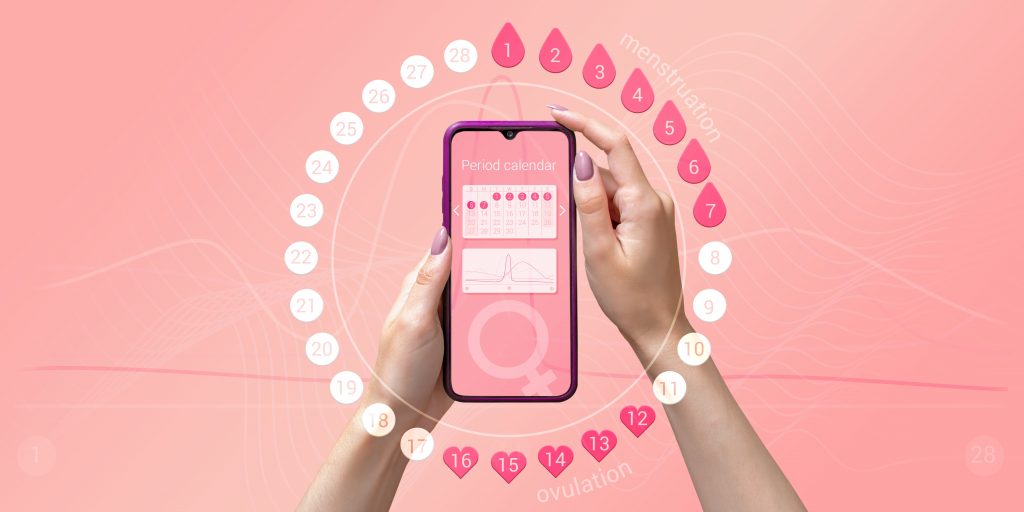
This one does come down to the ladies. Knowing when you ovulate, or even if you are ovulating at all is a key part of the pre-conception puzzle. Checking cervical mucus, recording basal body temperature (BBT) or using ovulation testing strips are all good ways to identify your fertile window.
With an egg needing to be fertilised within about 24 hours of being released from the ovary, you need to be aiming for conception just before your normal ovulation window. Flo, Ovia and Natural Cycles are all great cycle tracking apps. If you have no periods, very irregular periods or don’t think you ovulate at all, this could be something to discuss with your GP.
By implementing some of the changes above, hopefully you and your partner can move into the ‘TTC’ phase feeling more relaxed, more healthy and confident. If you are struggling to conceive after 8-12 months it is worth seeing a GP to conduct some straightforward tests and discuss the best way ahead.
What next
I’d love to support you on your conception journey and have a range of programmes designed just for you. Book a call and we can see what works best for you and your partner.


