
3 key nutrients you might be overlooking
With a huge increase in the number of people flowing a vegan lifestyle and diet, it is becoming even more important to discuss the key nutritional considerations for vegan women trying to conceive or sustain a healthy pregnancy. This is often overlooked in initial doctor or midwife appointments.
Whist a vegan diet has a number of significant health benefits, there are a number of vital nutrients that tend to be less available in plant-based foods.
No scaremongering here…
It is also important to say there is currently little quality evidence to suggest those that follow a vegan diet are at higher risk during pregnancy or when trying to conceive, in fact reduced animal protein and higher vegetable protein consumption has been shown in some studies to be really beneficial for ovulation and pregnancy outcomes. Few studies look at cutting out animal products completely.
In the absence of decent data there are a few nutrients we know are important for fertility and pregnancy and are often deficient in vegan diets. This helps give you some areas to pay particular attention to in your diet to maintain optimum fertility and health for you and your baby.
If you’re in a rush, head straight to the ‘key vegan food sources’ bit in bold for each nutrient.
Omega 3
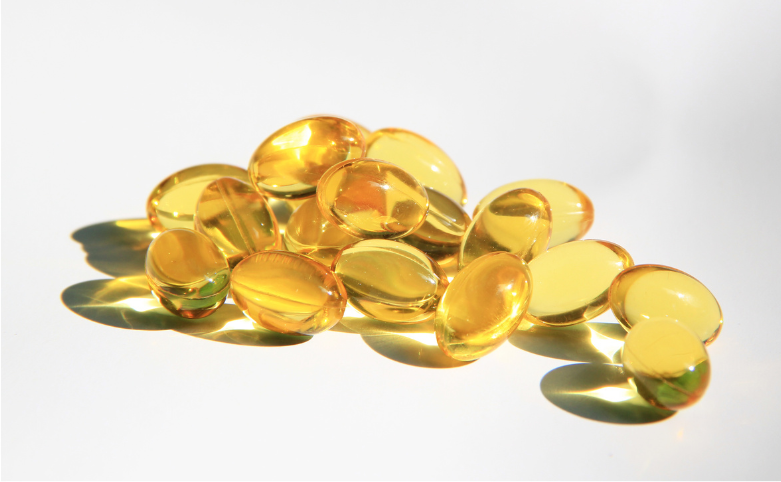
A study of 900 women trying to conceive concluded that those consuming omega 3 were 1.5 times more likely to conceive[1]. That’s a pretty strong conclusion. Omega 3 is an essential fatty acid that the body can not make itself so we have to rely on our diet to get enough of it. It has an important job in reducing overall inflammation in the body, regulating hormones, contributing to healthy cell membranes and improving the ability of a fertilised egg to implant.
There are 3 different types of omega 3; EPA (eicosapentaenoic acid), DHA (docosahexaenoic acid) and ALA (alpha-linolenic acid). There is no official recommendation during pregnancy but most guidelines focus on around 400mg of EPA and 225mg of DHA per day for women trying to conceive or pregnant. EPA and DHA are mainly found in oily fish and algae, whereas ALA is found in plants like walnuts, chia seeds, seaweed, flax and hemp seeds.
The important forms for fertility and pregnancy are mainly EPA and DHA which the body can be quite bad at making itself from ALA alone. Only around 5% of ALA actually gets converted to DHA. With salmon providing 1400mg of DHA per serving and a tablespoon of flax converting to as little as 200mg of DHA, this is one for vegans to pay attention to.
Vegan omega 3 supplements are available from algae sources and are worthy of serious consideration during conception and pregnancy. It’s also something super important to tell the men in your life about. Bare Biology vegan Omega 3 complex or Cytoplan’s Omega 3 Vegan are good quality supplement options with good amounts of EPA and DHA.
Key vegan food sources: flax, walnuts, chia seeds, hemp seeds, algae.
Vitamin B12
Vitamin B12 is one of the 8 vitamins that make up the vitamin B Complex. It is most concentrated in animal-derived foods. Together with folate, B12 plays an important role in fertility and pregnancy; regulating foetal growth and preventing neural tube defects in your baby. Deficiencies during pregnancy have been linked to spontaneous abortion, pre-eclampsia and low birth weight.
The UK has no pregnancy-specific intake guidelines, with the general population recommended to consume 1.5ug per day. This is likely to be much higher whilst pregnant with most pregnancy multivitamins containing more like 400ug. Symptoms of deficiency include low energy, depression, sore tongue, a certain type of anaemia (low iron), nerve pain, tingling and numbness. If you are vegan and have any of these symptoms it is important to discuss this with your GP.
With B12 naturally occurring in foods of animal origin, vegans need to get a bit more creative. Fortified nutritional yeast, fortified plant milks, nori seaweed and fortified cereals are sources. However you’d need to eat around 13 sheets of nori to get your daily requirement. That’s a lot of sushi. Oatly oak drink, Koko coconut milk, alpro soya and Rice Dream rice milk are all fortified with B12.
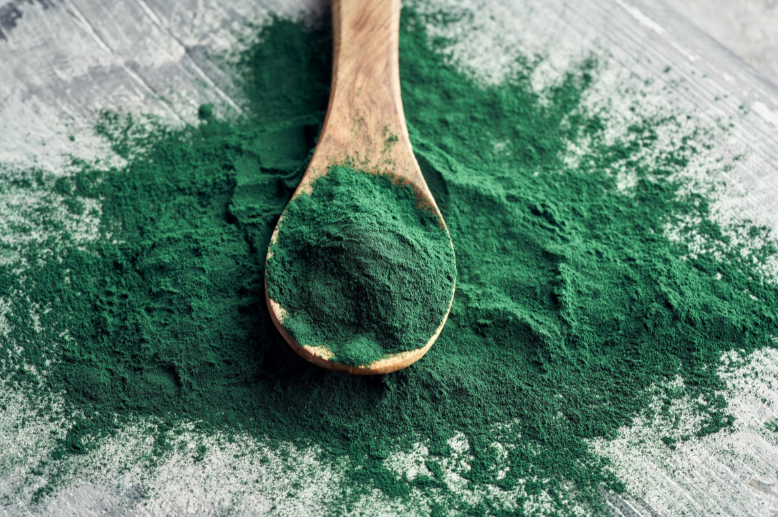
Key vegan food sources: Fortified nutritional yeast, vegemite, fortified plant milks, nori seaweed, spirulina and fortified cereals
Choline

Choline plays an important role in fertilisation and implantation. Once pregnant it supports the development of a baby’s central nervous system. The UK has no set dietary recommendations for choline, but the European Food Safety Authority recommends 400mg for adults and 480mg per day for pregnant women. Choline can’t be made in the body and although it is available in animal and plant foods they provide much less. Nuts, legumes and cruciferous vegetables like broccoli provide around 25mg/100g with animal products providing nearly three times this.
Surprisingly few prenatal vitamin supplements contain choline. If you are vegan it’s even more important to check that your vitamin contains this essential nutrient. Biocare’s methylated multi is brilliant but if on more of a budget Deva’s Vegan prenatal is also a good vegan multivitamin containing choline.
Key vegan food sources: chickpeas, broccoli, lentils, brussels sprouts, quinoa, tofu
Trying to get your diet right whilst TTC or pregnant can seem so confusing and often overwhelming. Not consuming animal-based foods adds an additional layer of complexity that can be navigated with some conscious food planning, some swaps for fortified versions of foods and possibly some supplementation.
There are also many strengths to a vegan diet that should also not be forgotten about. Reducing animal based foods, particularly heavily processed red meat, even if not committing to completely vegan diet, is often something worth exploring for both health and environmental reasons.
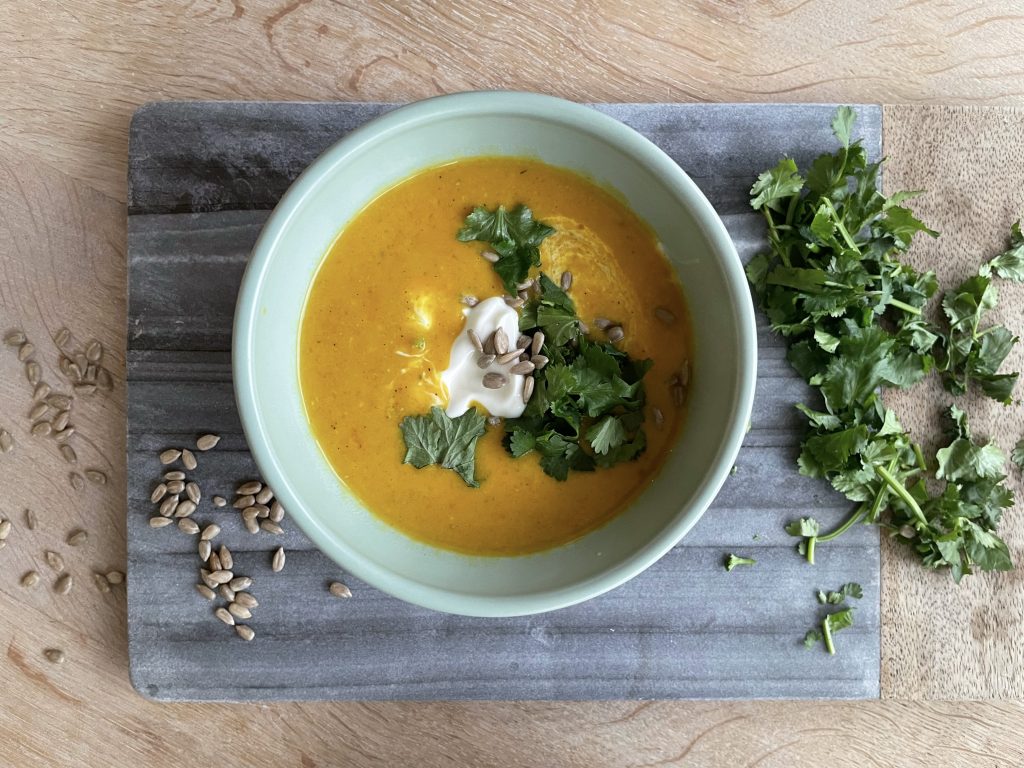
Why not have a look at some of my vegan recipes?
Butternut squash and coconut soup
Tomato red pepper and lentil soup
I also provide specialist support and advice for women looking to conceive or already pregnant through tailor-made, individual nutritional programmes.
[1] 1. Stanhiser J, Jukic A, McConnaughey D, Steiner A. Omega-3 fatty acid supplementation and fecundability. Hum Reprod 2022; doi.org/10.1093/humrep/deac027


