

‘Getting your pre-baby body back’. Let’s stop right there.
As a new mum you will forever be a woman whose body has grown, nurtured and birthed a baby. Celebrate it. You can still have aesthetic goals and a body that you are happy and confident in, without coveting a body you once had. However, returning to exercise can feel daunting. Here are 4 steps to set yourself up for success, both inside and out:
1. Change your mindset
Don’t constrain yourself to only being able to exercise in a gym, in activewear, for a scheduled amount of time. It’s just not a reality right now. As long as you can move freely any clothes will do, as will any space. You might not be able to do an hour long workout but 5 minute bursts through the day will make a big difference. Think calf raises whilst putting the kettle on or pelvic tilts in the shower.
2. Know what you’re working with
Start by seeing a women’s health physiotherapist. This is essential. They will conduct a full physical assessment, looking at breathing, posture, any caesarean section scar tissue, abdominal separation, along with pelvic floor function. Your safe return to exercise is very personalised and specific to your birth and your body. And no, incontinence is not something you just have to live with. It might be common but it doesn’t have to be normal. Try https://www.themummymot.com/ to find a physio near you.
3. More than just your pelvic floor
Unfortunately, the NHS 6 week post natal check is not the sudden green light to get straight back into star jumps. Most women can start to gently move before the 6 week check and need a graduated return. In general, following a vaginal birth, the first 4 weeks should focus on gentle pelvic floor and core activation with some walking. Weeks 4-8 can start to incorporate some light resistance training and non-impact cardio such a cycling. Any impact sports such as running are recommended from 12 weeks onwards. If you get any discomfort, bleeding or worsening of existing symptoms then stop.
4. Nourish those Muscles
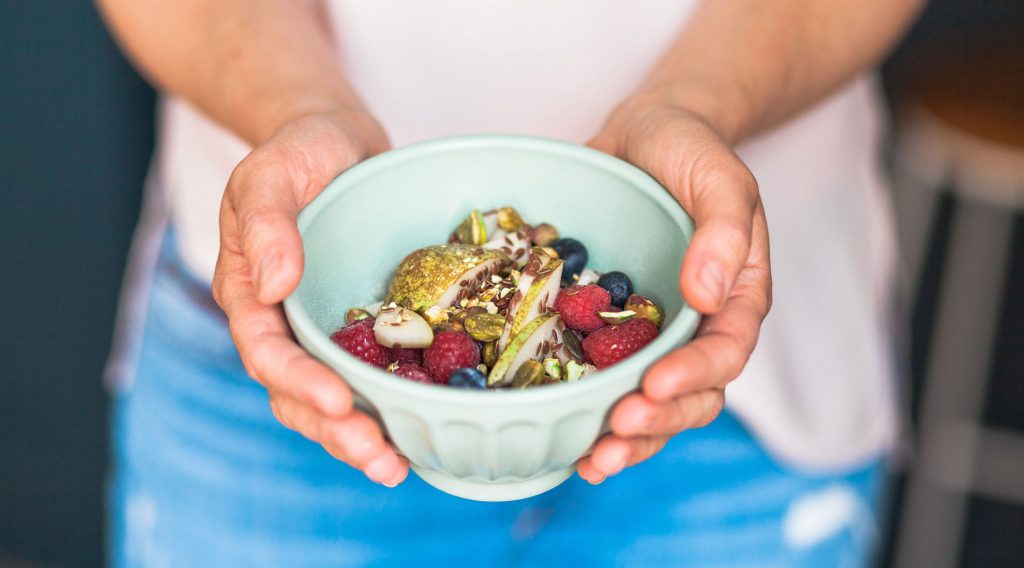
Your post-natal recovery needs planning pre-baby just as much as the nursery design. Meal prep of nourishing, warming meals that can be frozen is priceless and you will thank your former self later! Foods rich in collagen, zinc and vitamin C will promote healing. Dishes such as bone broths, curries and chillis freeze well and can be packed with warming spices, nutrient dense legumes and vegetables. Don’t forget the leafy greens.
Post natal multivitamin. Think of it as an insurance policy. We want our nutrition to come from real food but with a newborn this isn’t always possible. Health food shops or a qualified nutritional therapist can advise on the best options, in a form that your body can easily absorb, safe for breastfeeding.
Essential Fatty Acids. Post-natally, Omega 3 will help reduce inflammation and maintain joint health, contributing to a strong physical foundation on which to build up your fitness. The main ones we are looking for are DHA and EHA found in oily fish. However the vegetarians and vegans amongst you need not fret, there are many vegan friendly supplements made from algae. A good quality supplement should have evidence to support its purity, free from heavy metals, mercury and other nasties.
Iron. New mums are at an increased risk of iron deficiency. This limits the oxygen that can get to the muscles. Not great news for exercise. The best form for your body is the iron found in red meat and seafood. Iron is also found in lentils, spinach and tofu, you just need to eat a lot more of it. Iron supplements come in lots of different forms, with some leading to undesirable side effects such as constipation-the last thing you need with a weakened pelvic floor. Get advice from a qualified nutritional therapist to work out the best supplement for you as an individual, not what the vitamin shelf in Tesco’s tells you.


